

The Plus Sides and Perils of "Spinoff" TV
What the success of HBO's 'The Penguin' signals

Thanks for reading The Schmear Hunter! If you like this newsletter, consider supporting it with a paid subscription: $5/month or $50 a year 🥯🎞️
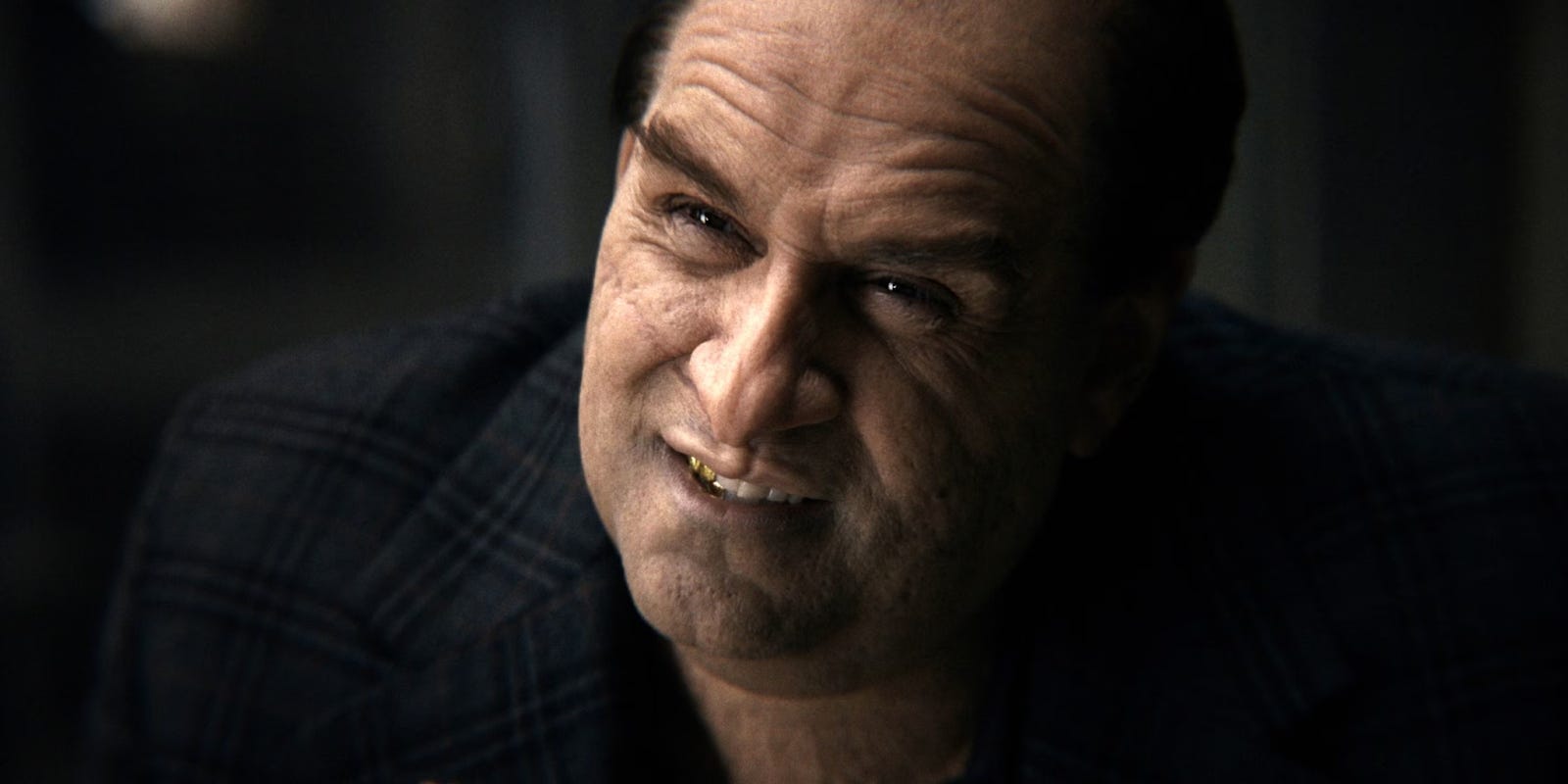
(No Spoilers)
I didn’t like the new HBO series The Penguin, but I finished it.
The pilot struck me as dreary and reductive, a pale imitation of the 2000s “difficult man” TV era, copy-pasted onto a comic book villain without any of those series’ intellect, charm, or thorniness. Colin Farrell and the cast labored through the motions as if they were filling out a children’s coloring book of tropes rather than subverting or reinventing them.
Which was disappointing, because a revisit to Matt Reeves’ 2022 The Batman revealed the film had more personality than I remembered. That ridiculous emo romanticism—brought to life by Robert Pattinson, Greig Fraser’s shadowy cinematography, and Reeves’ commitment to stylistic over-the-topness—gave it flair and texture.
I assumed others might share my disappointment with The Penguin, politely put it away, and move on. Instead, the opposite happened: the show became an outright sensation.
Its popularity snowballed weekly. Whether it was excitement over Cristin Milioti’s cat-eye makeup or genuine interest in dissecting Colin Farrell’s Oz Cobb, the fervor was undeniable. HBO leaned in, releasing marketing materials comparing the show to The Sopranos in side-by-side screengrabs. What I saw as a cheap comparison, fans ate up.

At some point, I had to stop and consider: maybe I got it all wrong. Maybe this flightless bird had wings...
(To read on, consider upgrading your Schmear Hunter subscription)
