

Comparison Is Deadly: Why 'The Bone Temple' Can’t Escape the Shadow of '28 Years Later' (Review)
A solid sequel that moves sideways when the franchise needed to move forward

(No spoilers until the end)
28 Years Later: The Bone Temple isn’t a bad movie. In fact, it’s often a pretty good one. But more than anything, it serves as a reminder of just how spectacular, strange, and singular Danny Boyle’s 28 Years Later really was. That was the dominant feeling watching this sequel: not disappointment so much as comparison. And comparison is deadly here.
Nia DaCosta’s The Bone Temple is handsomely and dynamically mounted, but it’s also a little anonymous, especially when set against the experimental, jittery filmmaking of Boyle and his DP Anthony Dod Mantle. The absence of Young Fathers’ music is felt immediately, as is the decision to decenter Spike—played so beautifully by Alfie Williams in the previous film. Those choices alone make this an altogether less remarkable sequel, which is frustrating given how high the bar was set.
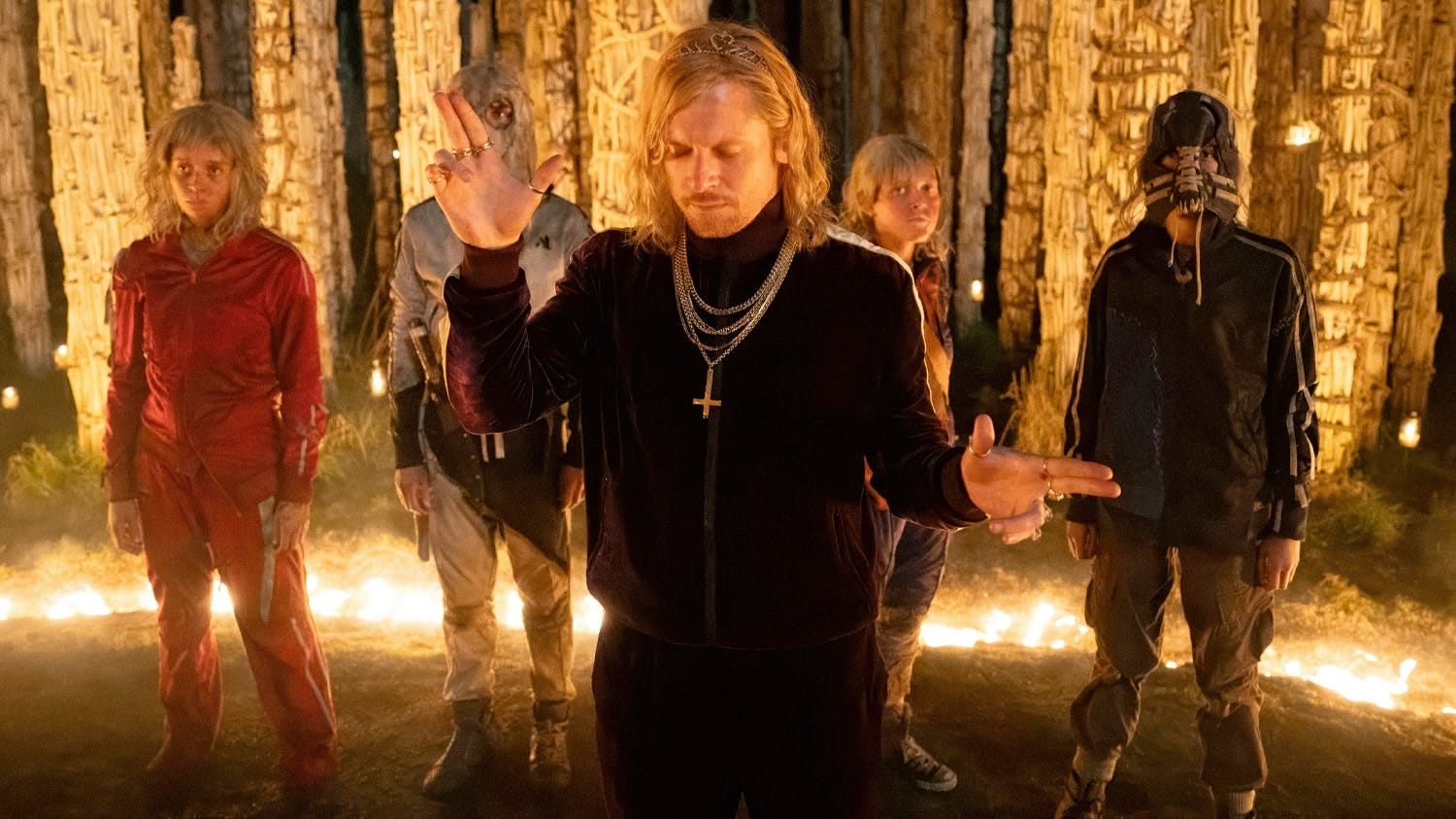
It’s also a more sadistic film. We’re introduced to the Jimmys, led by Jack O’Connell, who is clearly having a blast with his fiendish grin and warped, childlike understanding of good and evil. His stunted moral framework—frozen at age eight (when the “infection” began)—has metastasized into a cultish, fear-based philosophy of violence. The film opens with a ritualistic cruelty as Spike is absorbed into this Clockwork Orange–adjacent group, their casual sadism chilling in its ease.
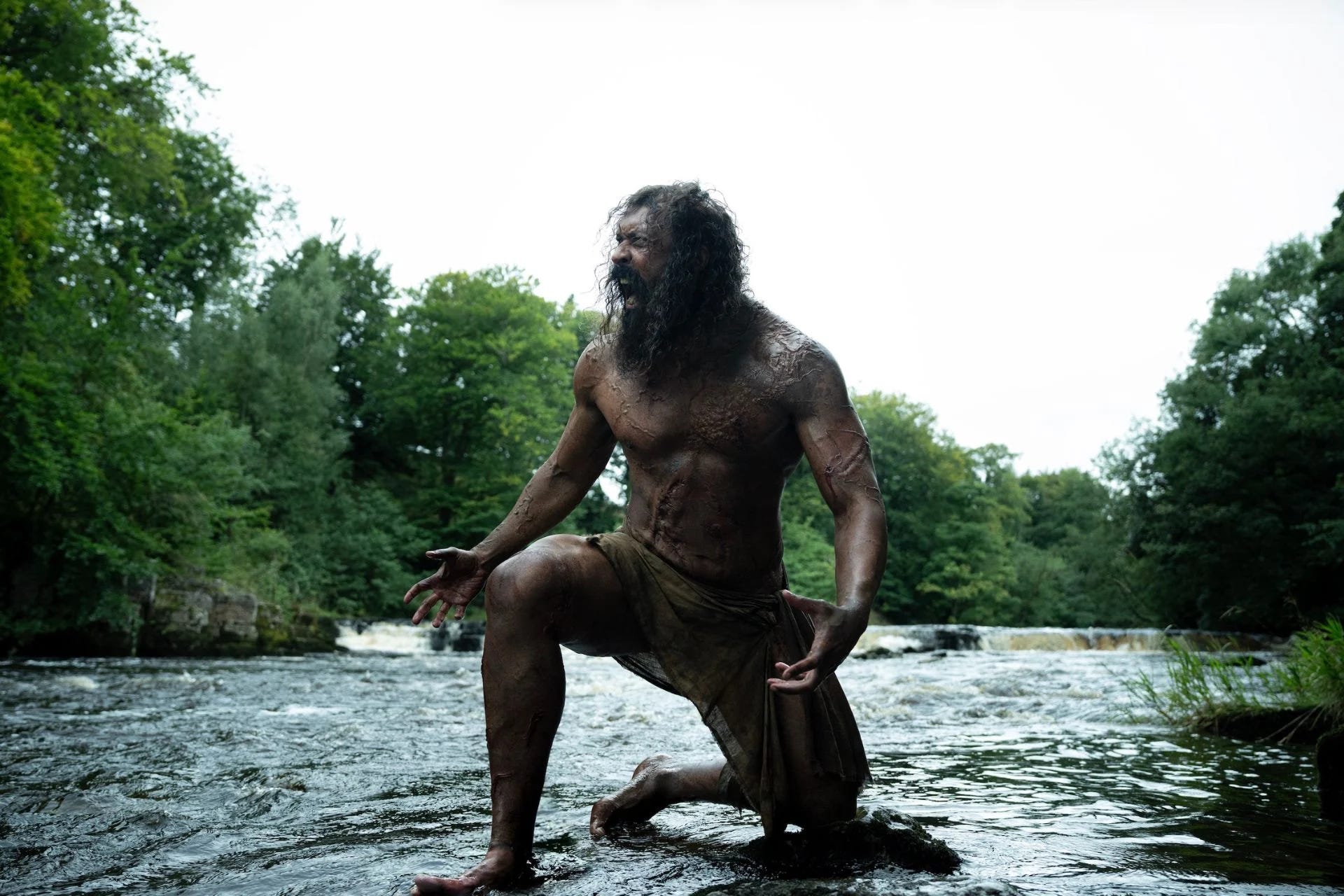
One of the film’s strongest pivots is giving us more of Sampson, portrayed with real force by Chi Lewis-Parry. For the first time, we’re allowed to see what he sees—a rageful blindness. His relationship with Dr. Kelson (Ralph Fiennes) becomes the film’s most compelling thread. Their early tête-à-tête and eventual friendship, scored by Kelson’s improbably great record collection (Duran Duran, Radiohead), is among the film’s most human pleasures. The use of “Ordinary World” to stage a strange King Kong & Ann Darrow–style courtship between this behemoth and a man of science is easily the film’s best sequence.
Ralph Fiennes, unsurprisingly, elevates everything around him. He’s one of our best working actors, capable of sly humor and genuine pathos in the same breath, doing enormous emotional work here. You couldn’t ask for a better scene partner. I loved seeing more of him here and yet it was a mistake to pull focus away from Spike.
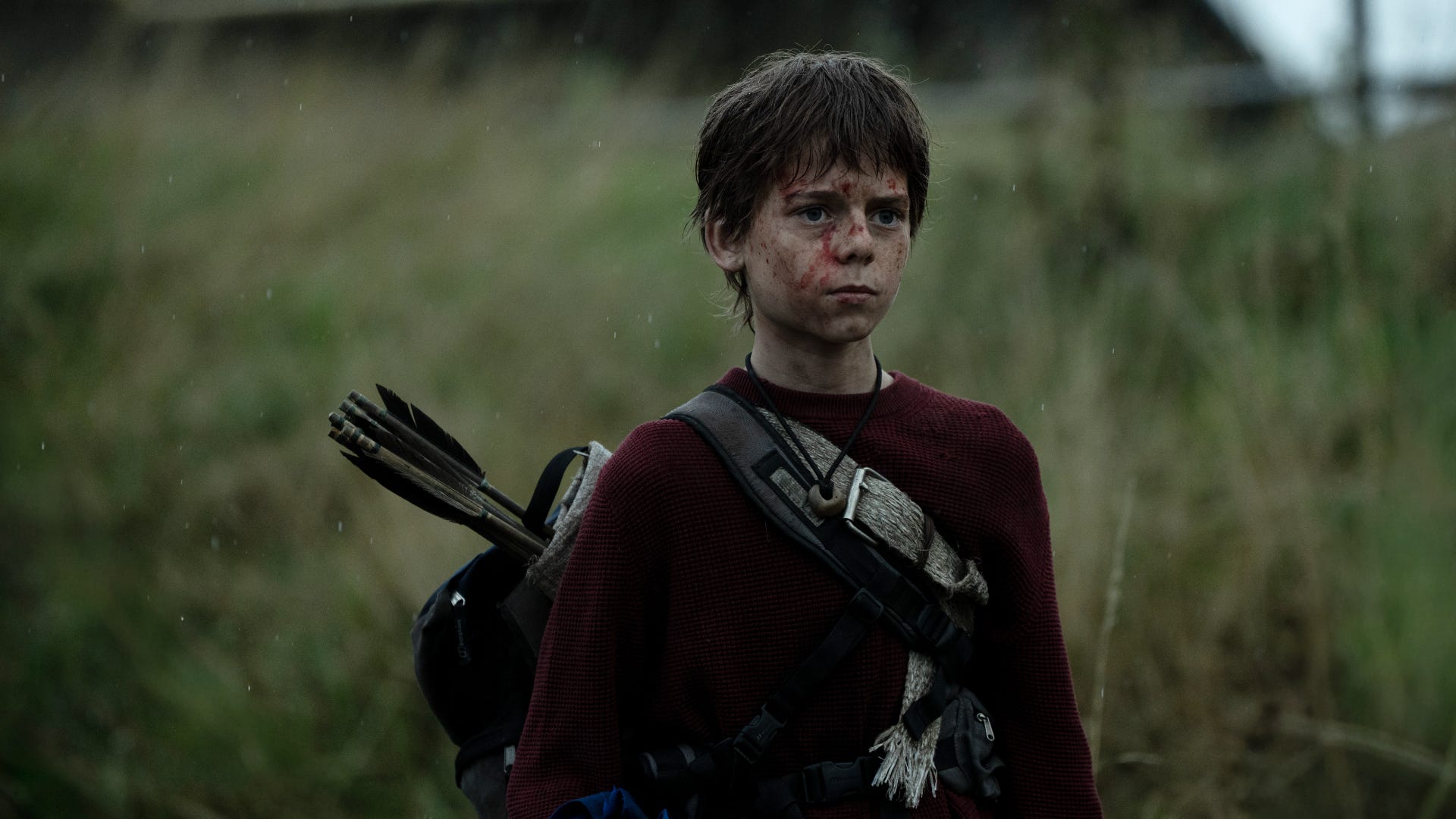
Spike’s journey in 28 Years Later—from boyhood toward something harder, sadder, and more adult—was the spine of that film. The adults existed largely as obstacles and guides along the way, teaching him how to survive and be a “man.” Rewatching Years recently, I found it utterly profound, with Alfie Williams’ performance signalling the arrival of a major talent. This sequel, by contrast, feels like a hedge against that success. The filmmaking is more conventional, the adults talk more, and Spike is pushed to the margins, stuck with the Jimmys. His absence is felt acutely.
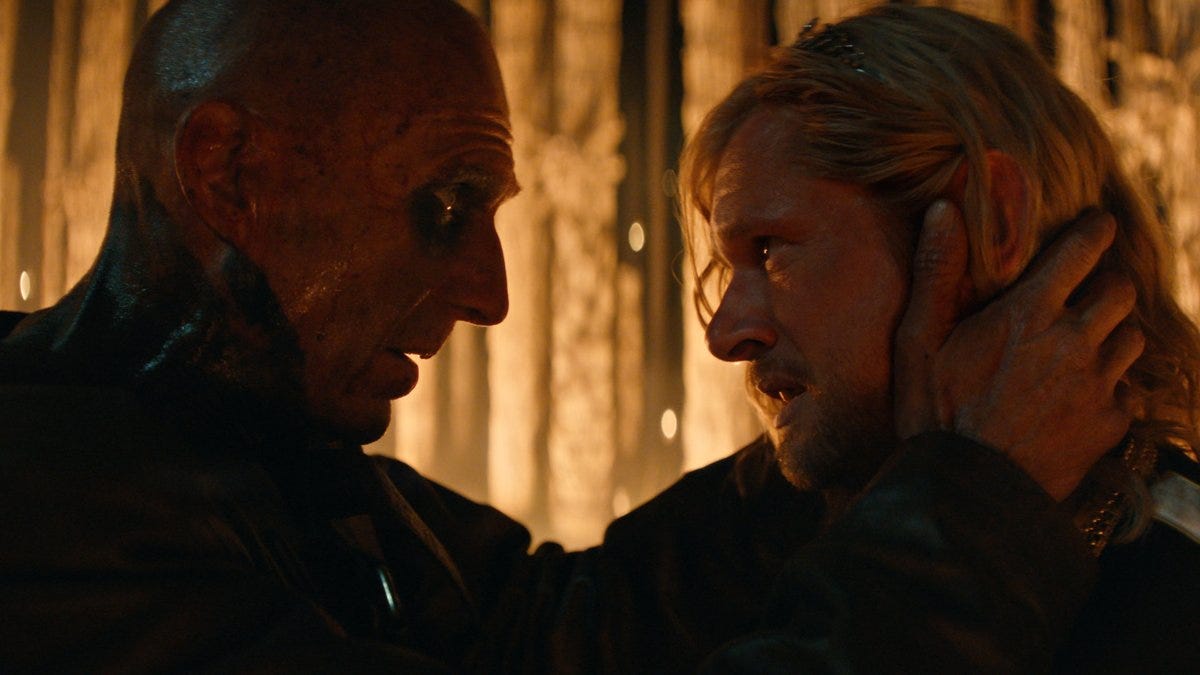
As entertaining as O’Connell is, the Jimmys ultimately don’t have much to say—either narratively or allegorically. The film gestures at something more interesting in a scene between Jimmy and Kelson, where the two embody competing belief systems. If infected England is the new Dark Ages, then Kelson represents a flicker of enlightenment, while Jimmy is willful, subjugating ignorance—his “religion” is one of torture and domination. That tension is promising, but it never reaches the subtextual grace of the first film, with its richer meditations on isolationism and spirituality.
Alex Garland wrote this, as he did Years, but this story lowers the temperature rather than raising it. The Bone Temple feels like a side quest when it should’ve upped the ante in the trilogy—one that puts Spike back in touch with his father, Jamie (Aaron Taylor-Johnson), charting what it actually means to grow up in this world. Instead of progress, the film moves sideways. This is exemplified in the climax.
Spoilers Ahead
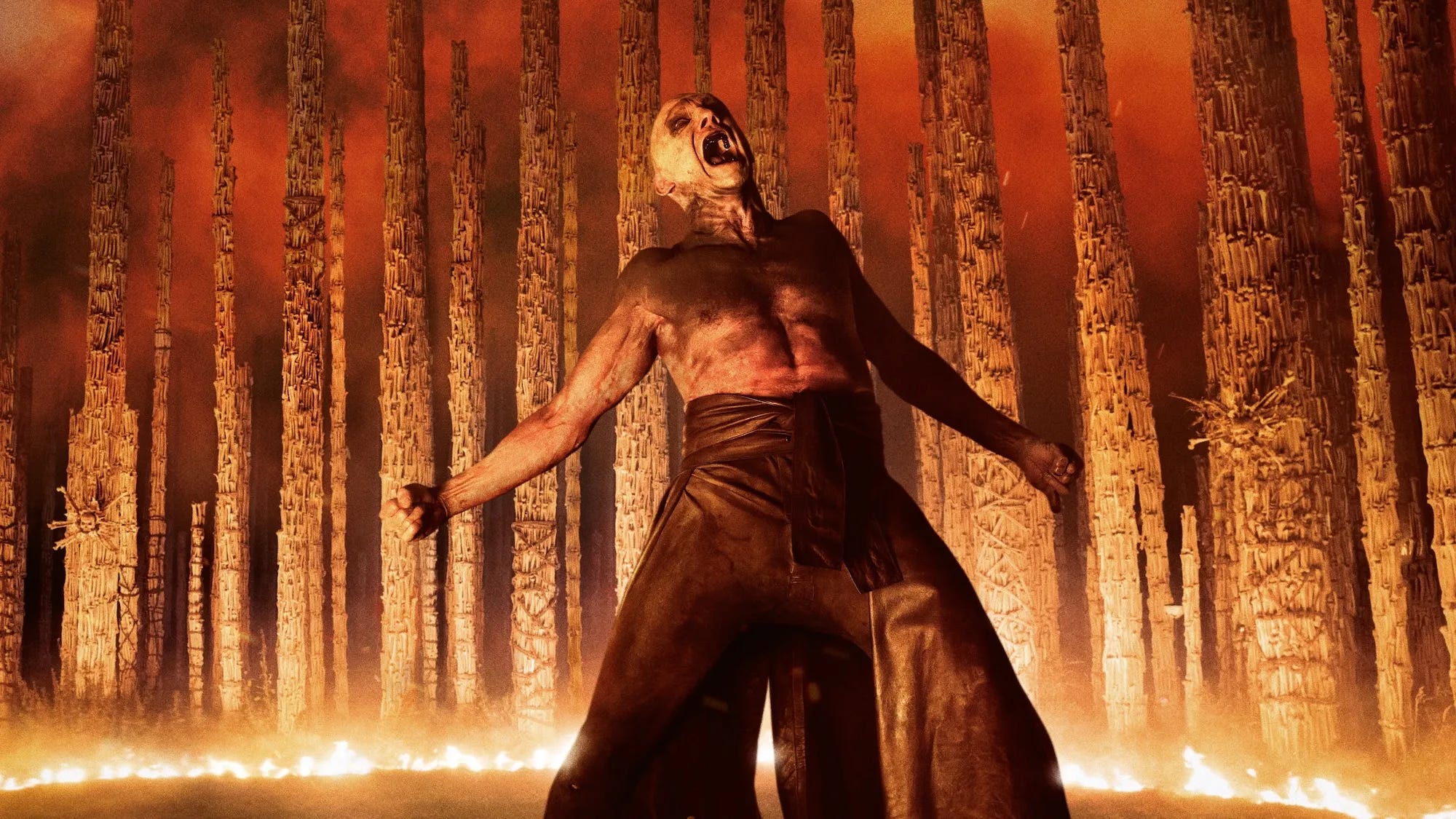
Fiennes is tremendous, glam-rock regalia and all—his pre-finale moment plays like a deranged KISS concert and is a blast to watch—but once that spectacle passes, the movie doesn’t seem to know what comes next or how to wrap up.
The ending feels bungled when placed beside the previous film’s shockingly lucid, spiritual “Memento Mori” conclusion. There are also lingering character issues that don’t quite track. Kelson, for instance, would never have allowed Jimmy’s crucifixion—he’s far too enlightened to sanction that kind of sadism. And while I enjoyed the Sampson storyline, it’s waved away too easily. If Kelson is gone, who is meant to continue his psychiatric work? Is there a cure, or isn’t there?
Then there’s the question of the Jimmys themselves. We’re introduced to a young female Jimmy, played by Erin Kellyman, and the film asks us to accept her as one of the “good ones” simply because she’s kind to Spike. But how are we meant to forgive her participation in prolonged torture?
Which brings me back to the core realization: it’s not that The Bone Temple is bad—it’s that 28 Years Later was extraordinary. A genuine shock to the system. Its filmmaking, its strangeness, its confidence, and that astonishing Alfie Williams performance—akin to a young Christian Bale in Empire of the Sun—all announced a future that felt thrillingly uncertain. This sequel, while unique in its own way, is less daring and less alive.
I still believe in this franchise and appreciate its ambition. But after being so completely floored by 28 Years Later, this follow-up simply doesn’t stack up.